

Our funding in action
The MedFund currently supports the recurring management costs of 22 Marine Protected Areas (MPAs) in Tunisia, Morocco, Albania, Croatia, Montenegro, Greece, Türkiye and Lebanon. Nineteen (19) agreements are currently being implemented, and three (3) agreements are in the process of being signed, with operations set to begin in 2026.
The MedFund promotes co-management in eligible sites by involving national authorities alongside civil society organizations.
Co management & shared governance of the sea
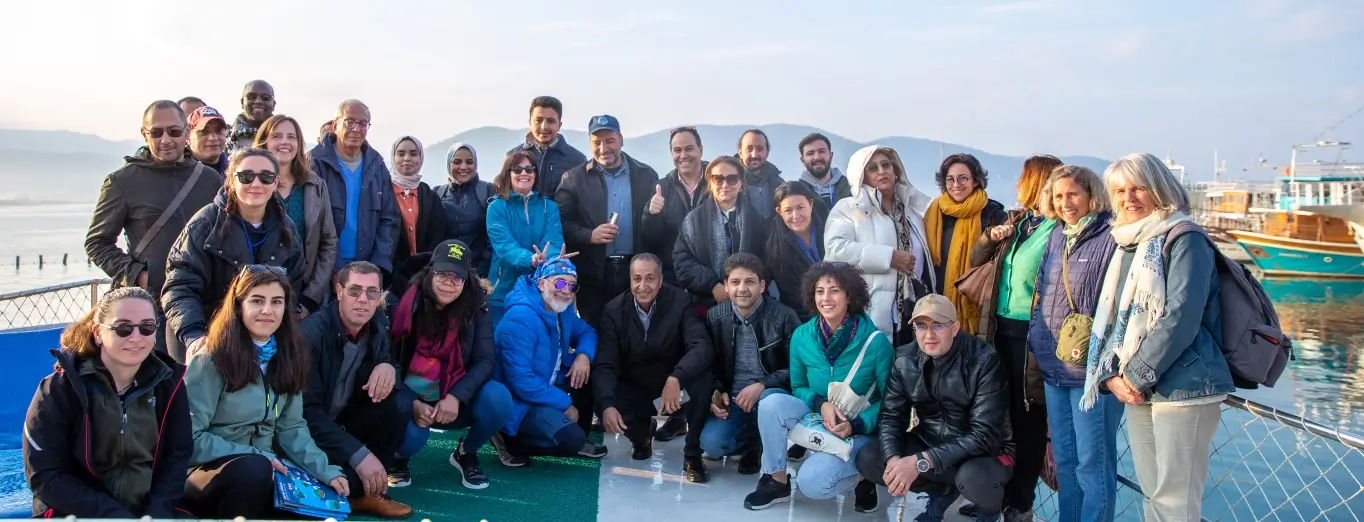
Throughout 2025, The MedFund kept supporting stakeholder engagement processes that strengthen co-management arrangements between authorities, local communities, fishers, civil society, and scientific actors, through local management committees that ensure well governance. Governance meetings provided a structured platform for dialogue and joint decision-making regarding resource use, surveillance priorities, and conservation measures. These governance forums improved transparency and trust among stakeholders and fostered a shared sense of responsibility for marine resources. By encouraging inclusive governance, The MedFund contributes not only to better ecological outcomes but also to stronger social legitimacy of MPAs, ensuring that conservation measures are understood, supported, and respected by those who depend on the sea.
Blue Economy sustainable tourism and fishing activities
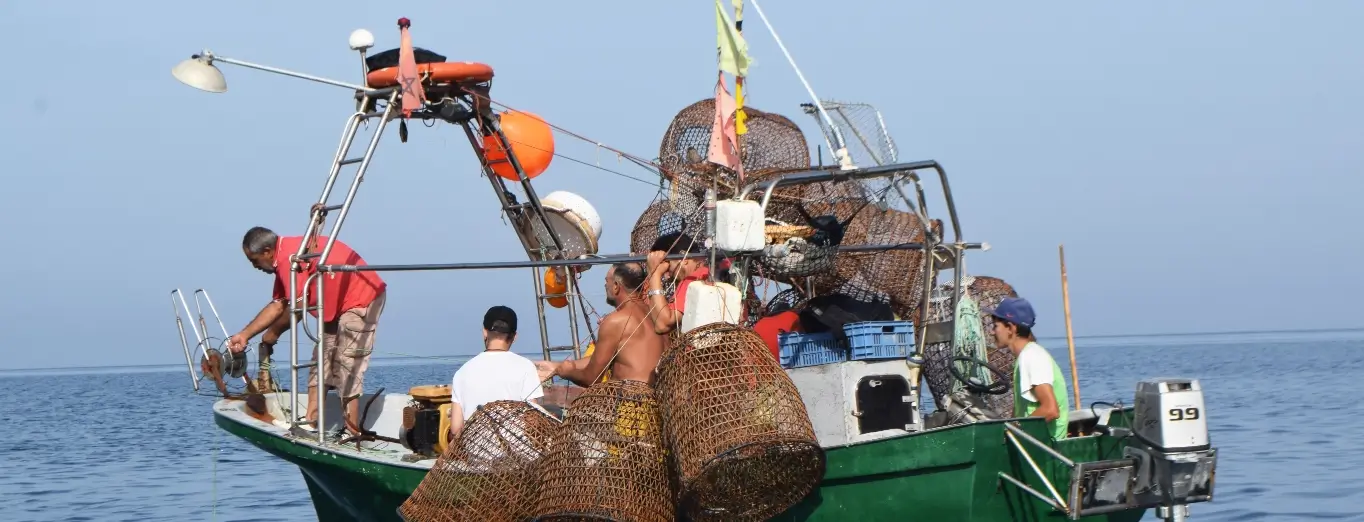
In 2025, The MedFund support contributed to the development of sustainable blue economy activities aligned with conservation objectives. In several MPAs, regulated tourism has become a source of local income while reinforcing awareness of marine conservation.
At the same time, The MedFund has supported dialogue with small-scale fishers to promote sustainable fishing practices compatible with MPA regulations. These efforts contribute to the local economy while maintaining fish stocks and protecting critical habitats. The integration of conservation and livelihoods illustrates the practical application of the blue economy principles within MPAs.
Environmental and Social risk identification and mitigation
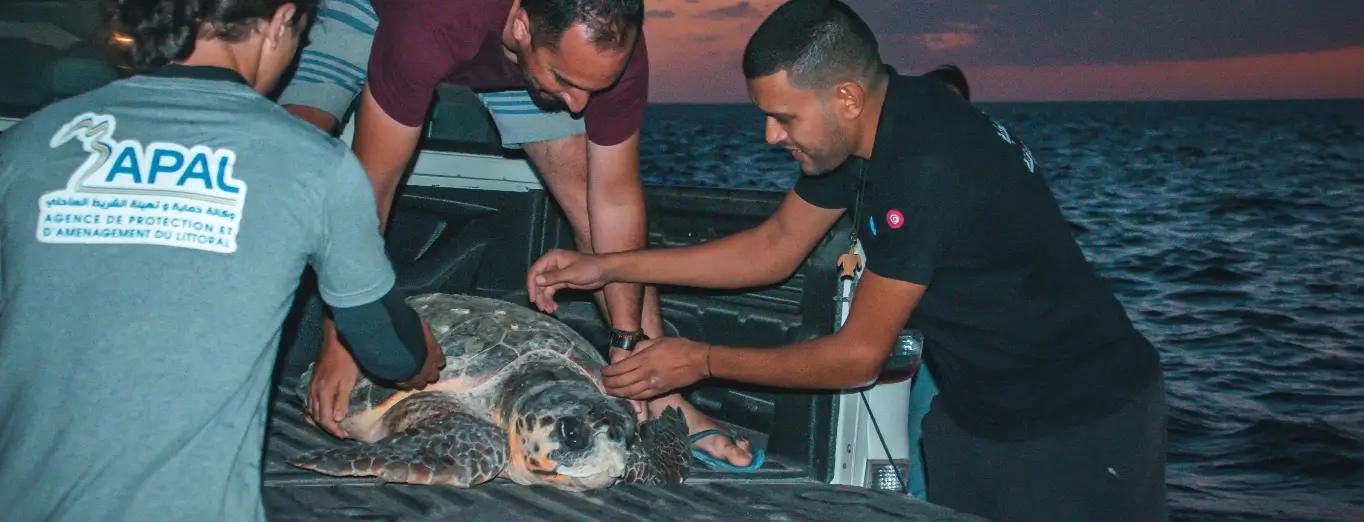
Environmental and Social Safeguards (ESS) are a set of tools and procedures designed to identify, assess, and mitigate potential environmental and social risks associated with MedFund funding. By anticipating risks early and guiding mitigation measures, ESS helps ensure that conservation activities are carried out in a safe, inclusive, and sustainable manner.
Ensuring Safety in a Context of Political Instability (Lebanon)
In Palm Island Nature Reserve (Lebanon), the implementation of conservation activities such as patrolling and enforcement takes place in a context affected by ongoing conflict. While essential for conservation, these activities can expose staff to significant safety and security risks.
Through ESS Community Health, Safety and Security, these risks linked to the implementation of field activities were identified and addressed. A dedicated risk management plan was developed, prioritizing the activities considering safety protocols, coordination with relevant authorities, and adapted field operations.
Managing Tourism Pressure Generated by Project Activities (Tunisia)
In MPAs such as Kuriat and Ras Rmal, field activities promoting site access, ecotourism, and recreational use can increase visitor pressure on fragile marine ecosystems.
These activities, while beneficial for awareness and local development, may generate risks related to habitat disturbance and visitor safety.
Environmental and social safeguards (ESS) related to biodiversity conservation and community health and safety enabled the identification of these risks associated with project implementation. Mitigation measures include the development of tourism management plans, carrying capacity assessments, and the use of appropriate safety equipment for activities such as diving.
Inclusion: Support for the role of women in MPAs
The MedFund recognizes that inclusive conservation strengthens both governance and community resilience. In 2025, particular attention was given to supporting the role of women in and around MPAs, including engagement with fisherwomen cooperatives in Gökova and Dalyan in Türkiye.
These cooperatives play an important role in local fisheries value chains, environmental stewardship, and knowledge sharing.
By supporting their participation in governance meetings, awareness activities, and sustainable livelihood initiatives, The MedFund contributes to greater gender inclusion in marine conservation. Empowering women in coastal communities enhances social equity while reinforcing sustainable practices and local ownership of conservation objectives.
Science: Species and habitat monitoring
Scientific monitoring remained a milestone of The MedFund supported management in 2025. MPAs continued regular monitoring of key species and habitats, including emblematic fish species, seagrass meadows, and sensitive coastal ecosystems. This data allows managers to assess ecological trends, adapt management measures, and demonstrate conservation effectiveness.
Improvements were observed in our management evaluation assessment indicators, reflecting better compliance, enhanced surveillance, and recovery signs in priority habitats. By linking financial support to measurable ecological monitoring, The MedFund ensures that conservation outcomes are documented, adaptive management is possible, and progress toward long-term biodiversity objectives is clearly demonstrated.